

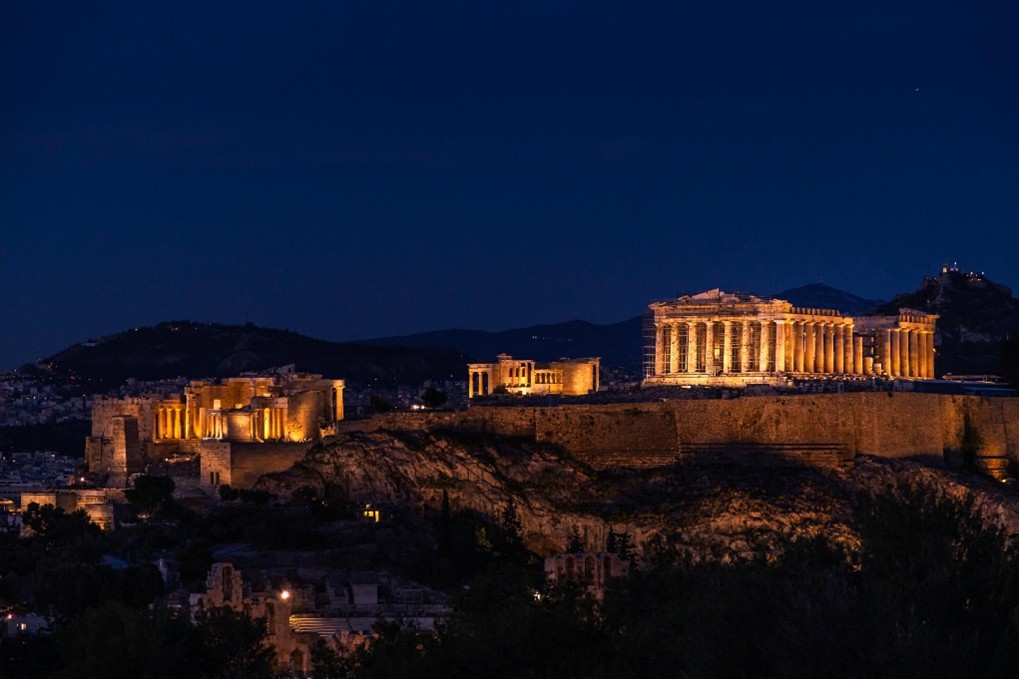
Greece, located in southeastern Europe at the crossroads of Europe, Asia, and Africa, is a country celebrated for its ancient history, rich cultural heritage, and breathtaking landscapes. From the historic city of Athens, the capital of Greece and one of the world’s oldest cities, to the picturesque Greek islands scattered across the Aegean and Ionian Seas, Greece offers a remarkable diversity of experiences for visitors.
Historically, Greece is widely regarded as the cradle of Western civilization and democracy. The country’s legacy is reflected in its extraordinary archaeological sites, including the Acropolis of Athens, home to the iconic Parthenon, which has stood for over two millennia overlooking the city. Ancient philosophers such as Socrates, Plato, and Aristotle shaped the foundations of philosophy, science, and political thought, leaving a lasting influence on the world.
Greek culture continues to thrive through its traditions, festivals, music, and art. Visitors can explore vibrant neighborhoods, world-class museums, and historic monuments while experiencing the famous Greek hospitality known as philoxenia. Greek cuisine is also a highlight, featuring dishes such as moussaka, souvlaki, fresh seafood, olives, and world-renowned Mediterranean flavors.
Nature lovers are drawn to Greece’s diverse landscapes, which include sun-drenched islands, rugged mountains, and crystal-clear seas. From the white-washed villages of the Cyclades to the dramatic cliffs of Santorini and the lush mountains of northern Greece, the country offers endless opportunities for exploration and relaxation.
Today, Greece is a member of the European Union and plays an important role in regional politics, tourism, and culture. With its unique blend of ancient history, vibrant city life, and stunning natural beauty, Greece remains one of the most fascinating destinations in Europe.
Top Attractions in Athens
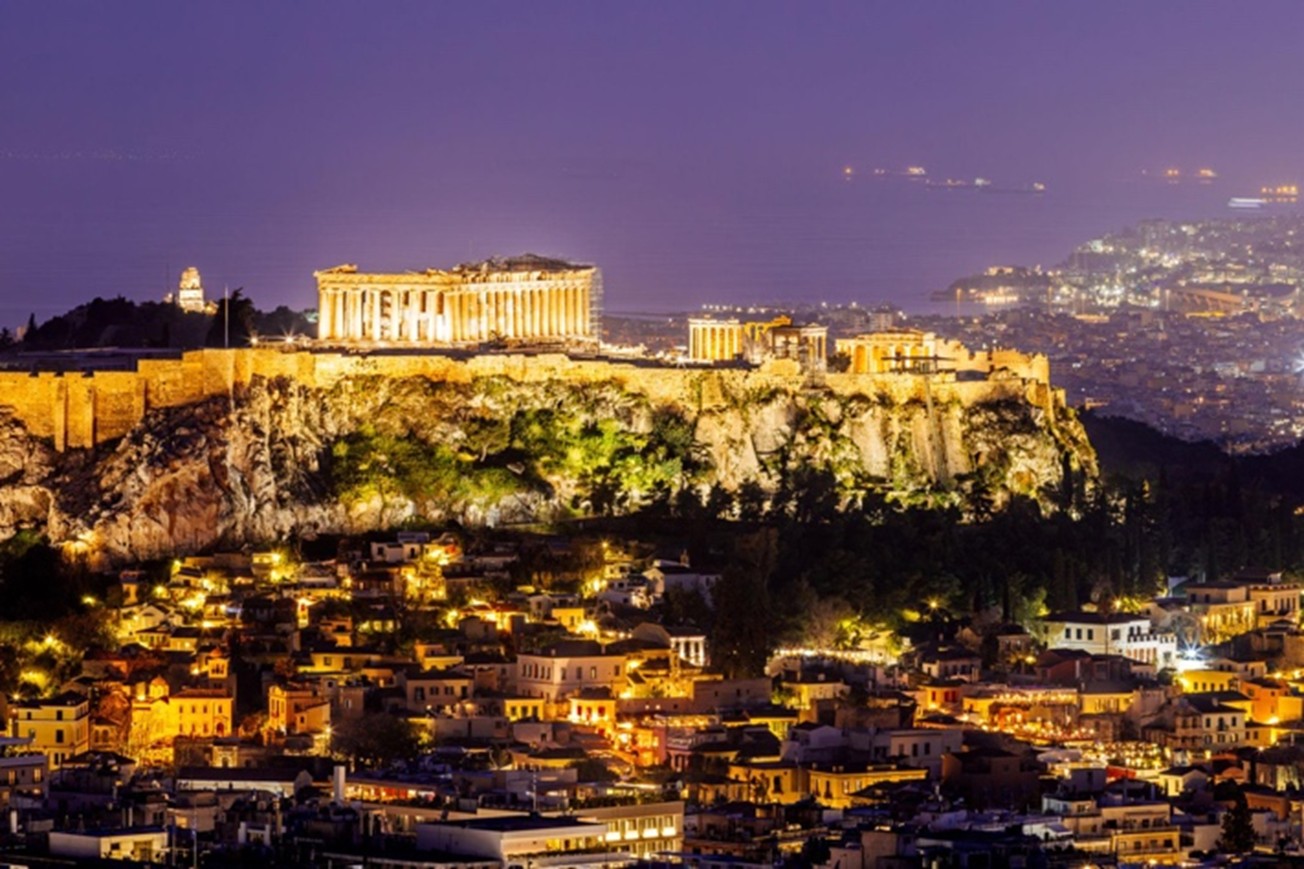
One of the most famous ancient landmarks in the world, the Acropolis dominates the skyline of Athens and is home to the Parthenon, a masterpiece of classical Greek architecture.
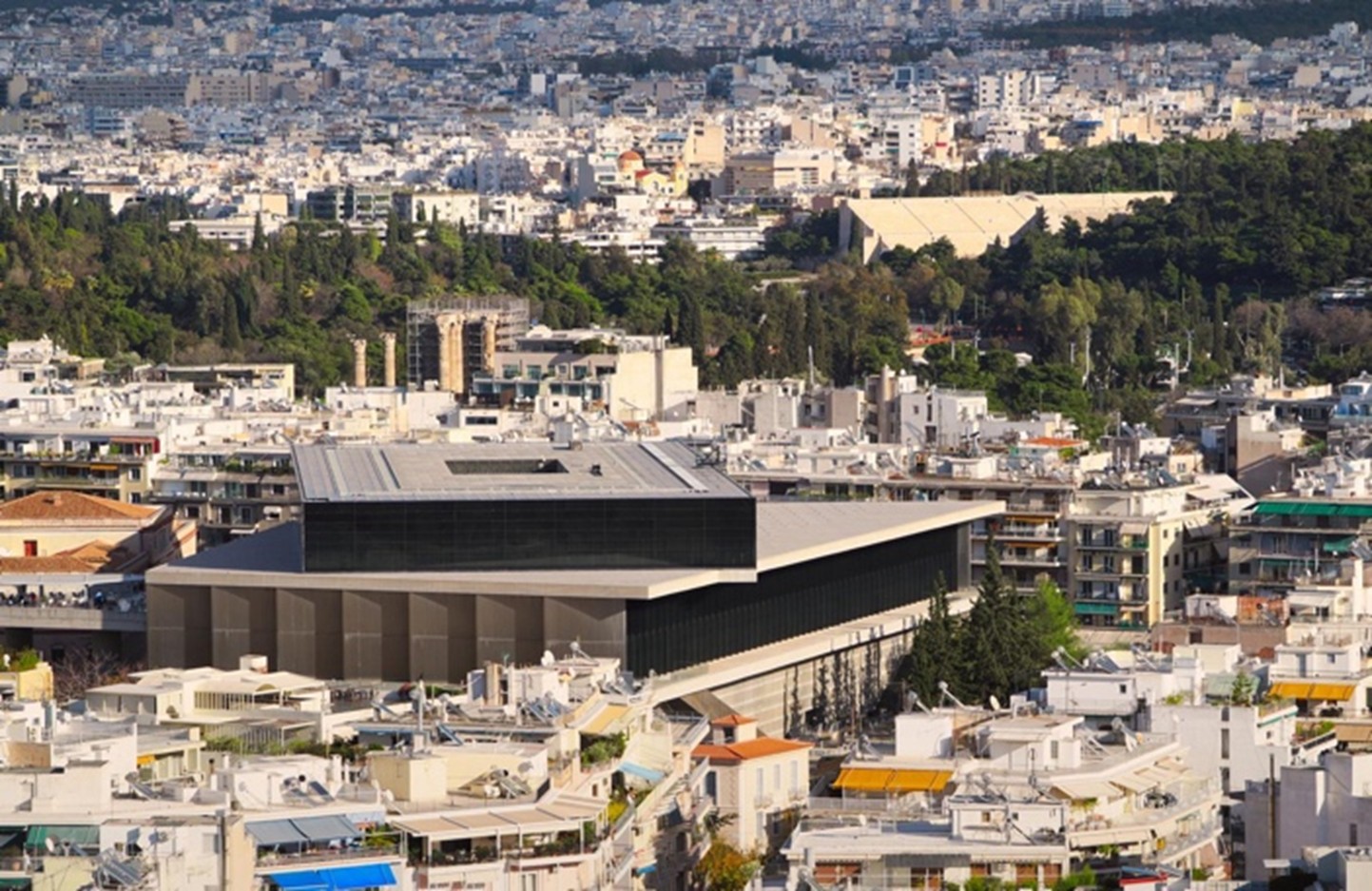
A modern museum showcasing priceless artifacts and sculptures discovered at the Acropolis archaeological site.
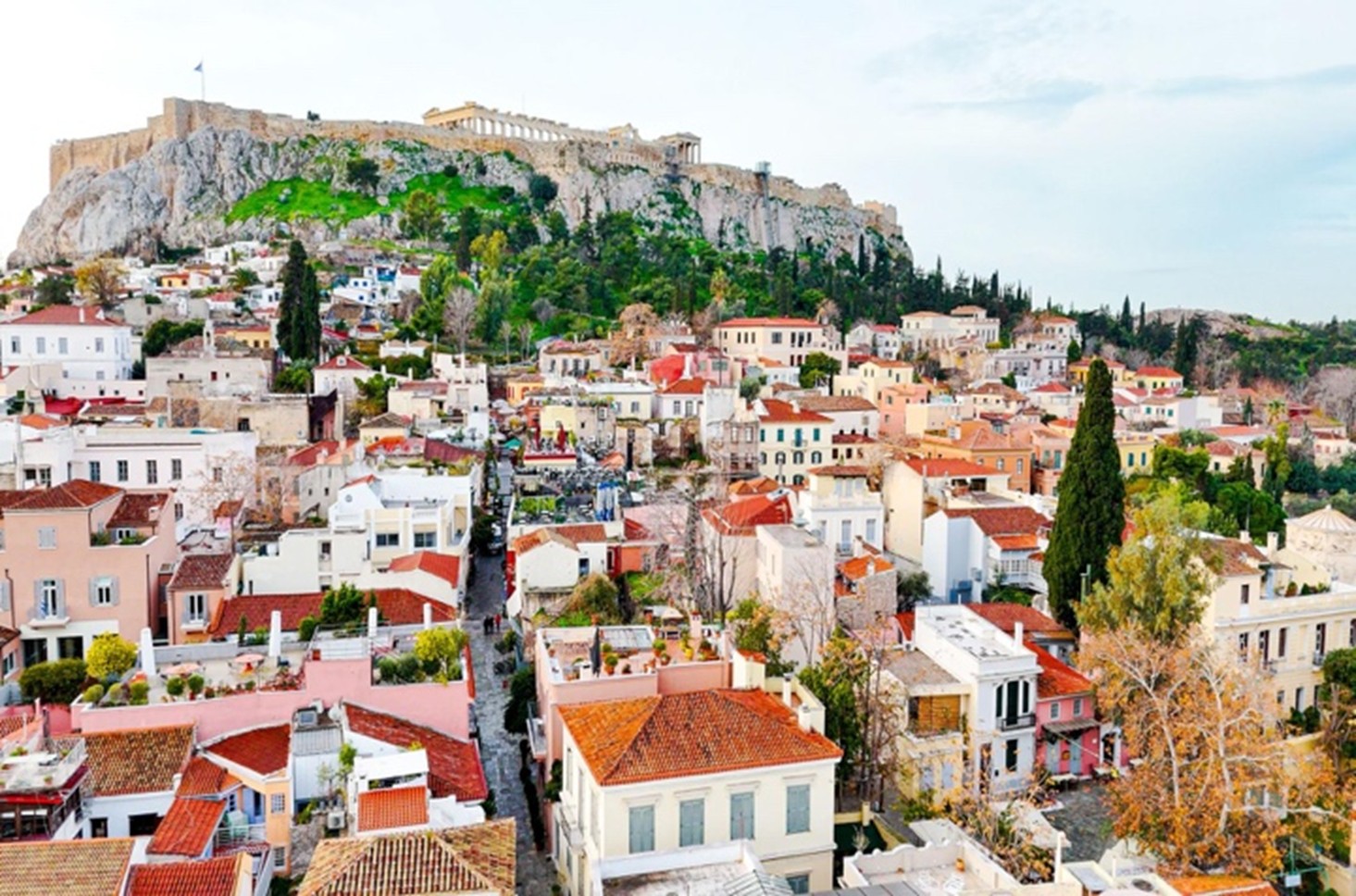
The historic neighborhood at the foot of the Acropolis, known for its narrow streets, traditional tavernas, and charming shops.

The central square of Athens, where visitors can watch the ceremonial changing of the guard in front of the Parliament building.
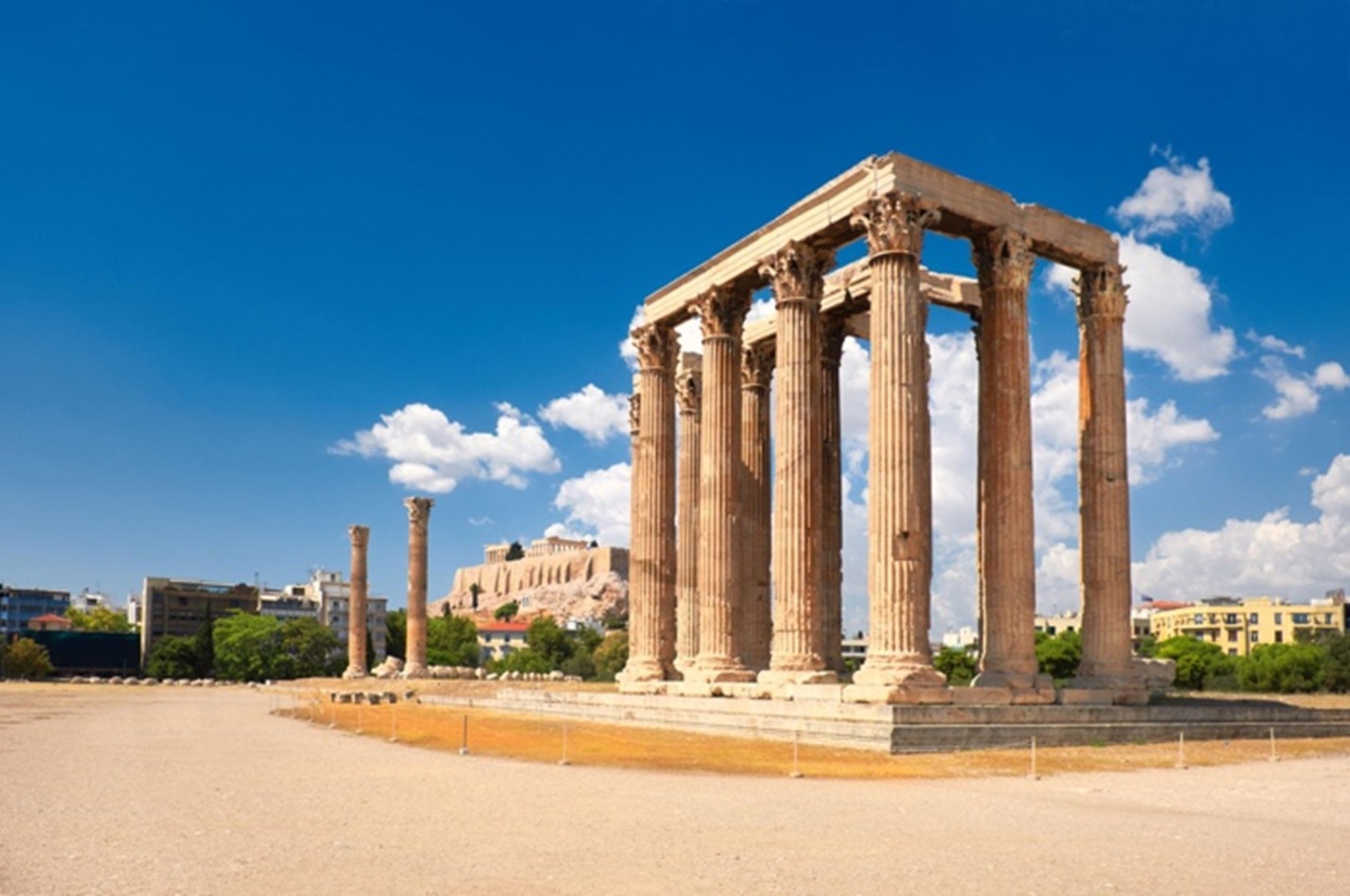
One of the largest temples of the ancient world, dedicated to Zeus, the king of the Greek gods.
History and Culture in Athens
Athens, the historic capital of Greece, stands as one of the most influential cities in the history of Western civilization. Located in southeastern Europe and surrounded by ancient monuments and modern urban life, Athens has been a center of culture, philosophy, and political thought for more than three thousand years.
The history of Athens dates back to ancient times, when it emerged as one of the most powerful city-states of classical Greece. During the 5th century BC, often referred to as the Golden Age of Athens, the city flourished under the leadership of Pericles. This period witnessed the construction of magnificent structures such as the Acropolis and the Parthenon, symbols of ancient Greek architecture and artistic achievement.
Athens is widely recognized as the birthplace of democracy, where citizens first participated directly in political decision-making. It was also the home of some of the most influential philosophers in history, including Socrates, Plato, and Aristotle, whose ideas continue to shape philosophy, science, and political thought around the world.
Throughout its long history, Athens experienced Roman, Byzantine, and Ottoman rule, each leaving its mark on the city’s architecture and culture. Following Greece’s independence in the 19th century, Athens became the capital of the modern Greek state and developed into a vibrant cultural and political center.
Famous People from Greece
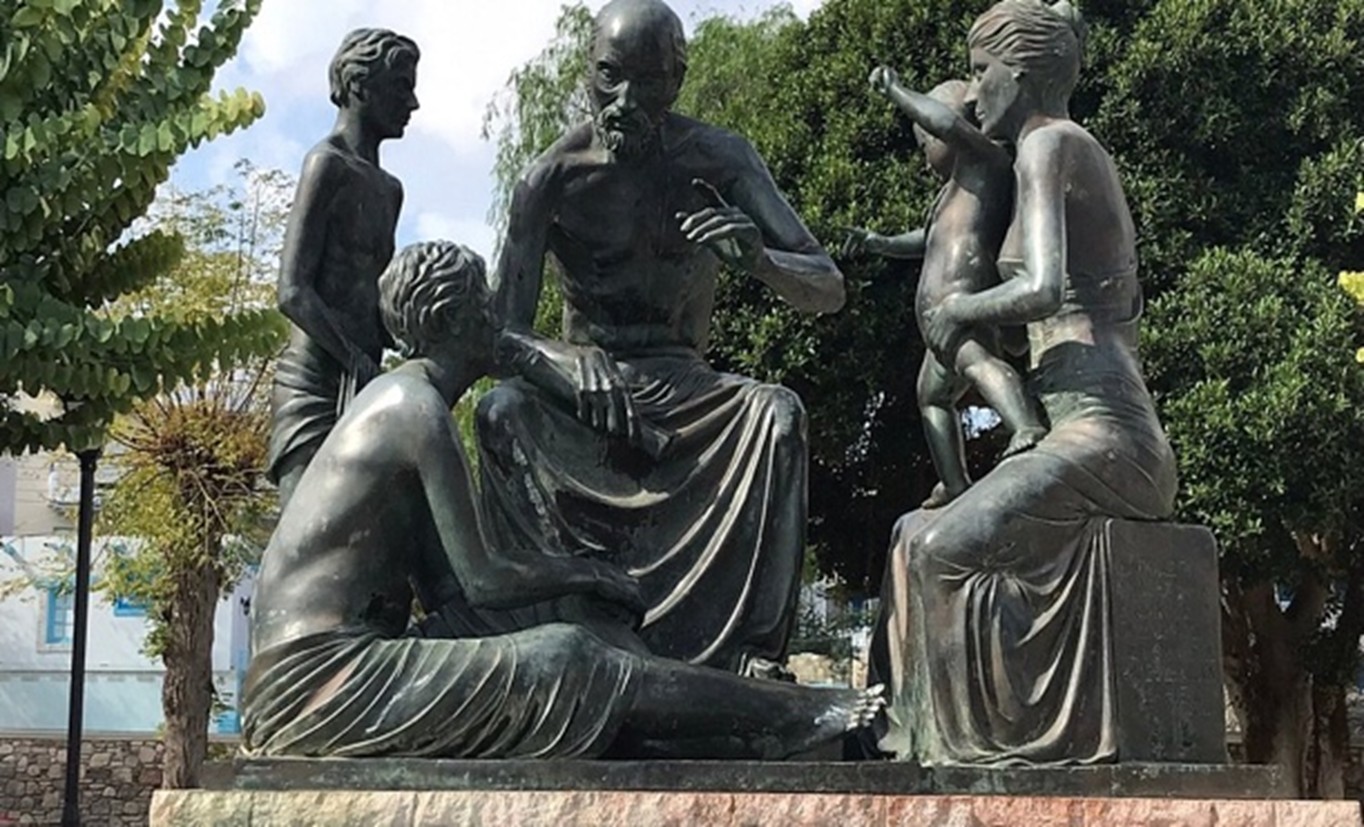
Often referred to as the Father of Medicine, Hippocrates laid the foundations of modern medical practice and medical ethics. The famous Hippocratic Oath, still relevant today, is named after him and continues to influence medical professionals worldwide.
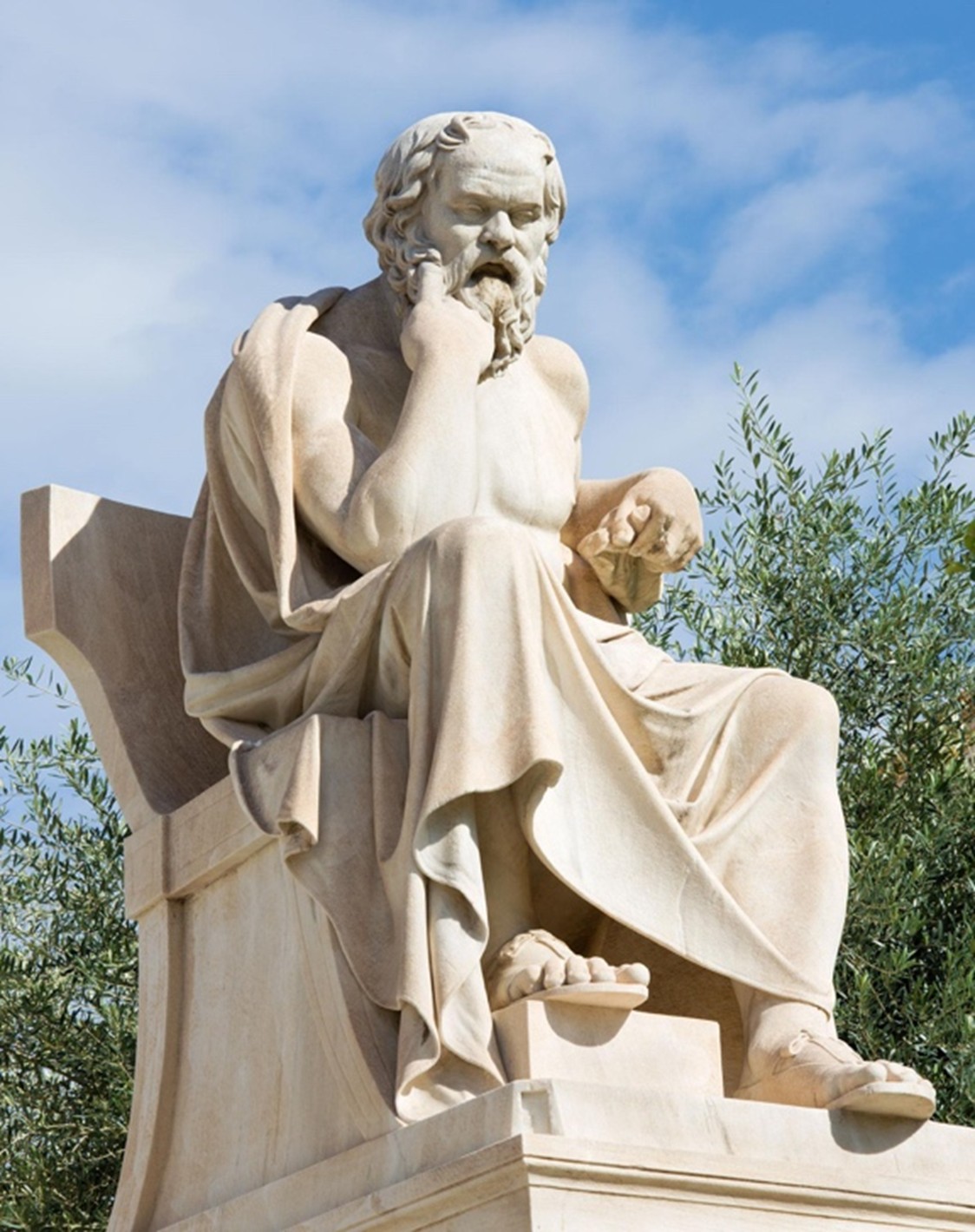
Socrates is considered one of the founders of Western philosophy. His method of questioning and dialogue, known as the Socratic Method, has influenced philosophy, education, and critical thinking for centuries.
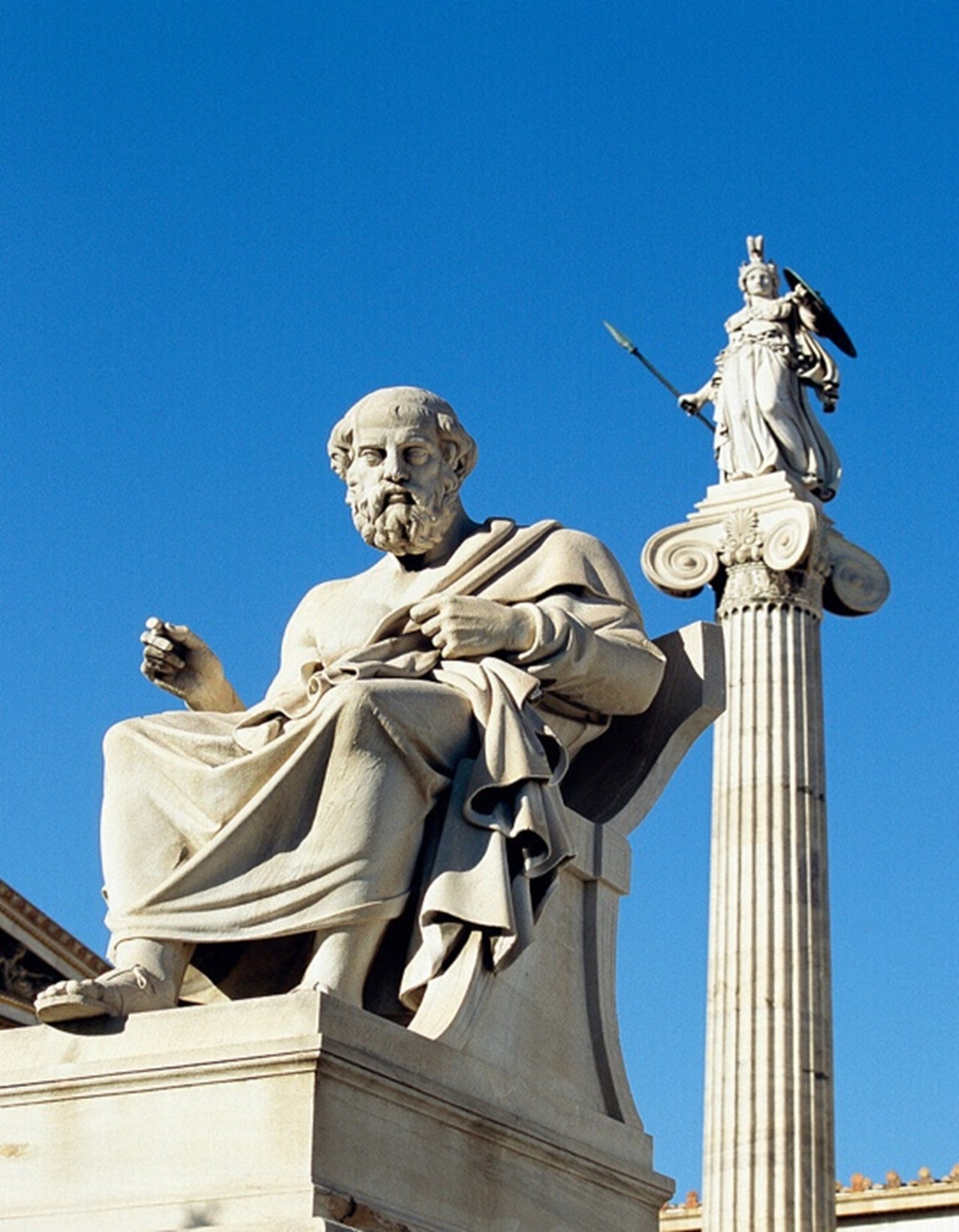
A student of Socrates and teacher of Aristotle, Plato founded the Academy in Athens, one of the earliest institutions of higher learning in the Western world.
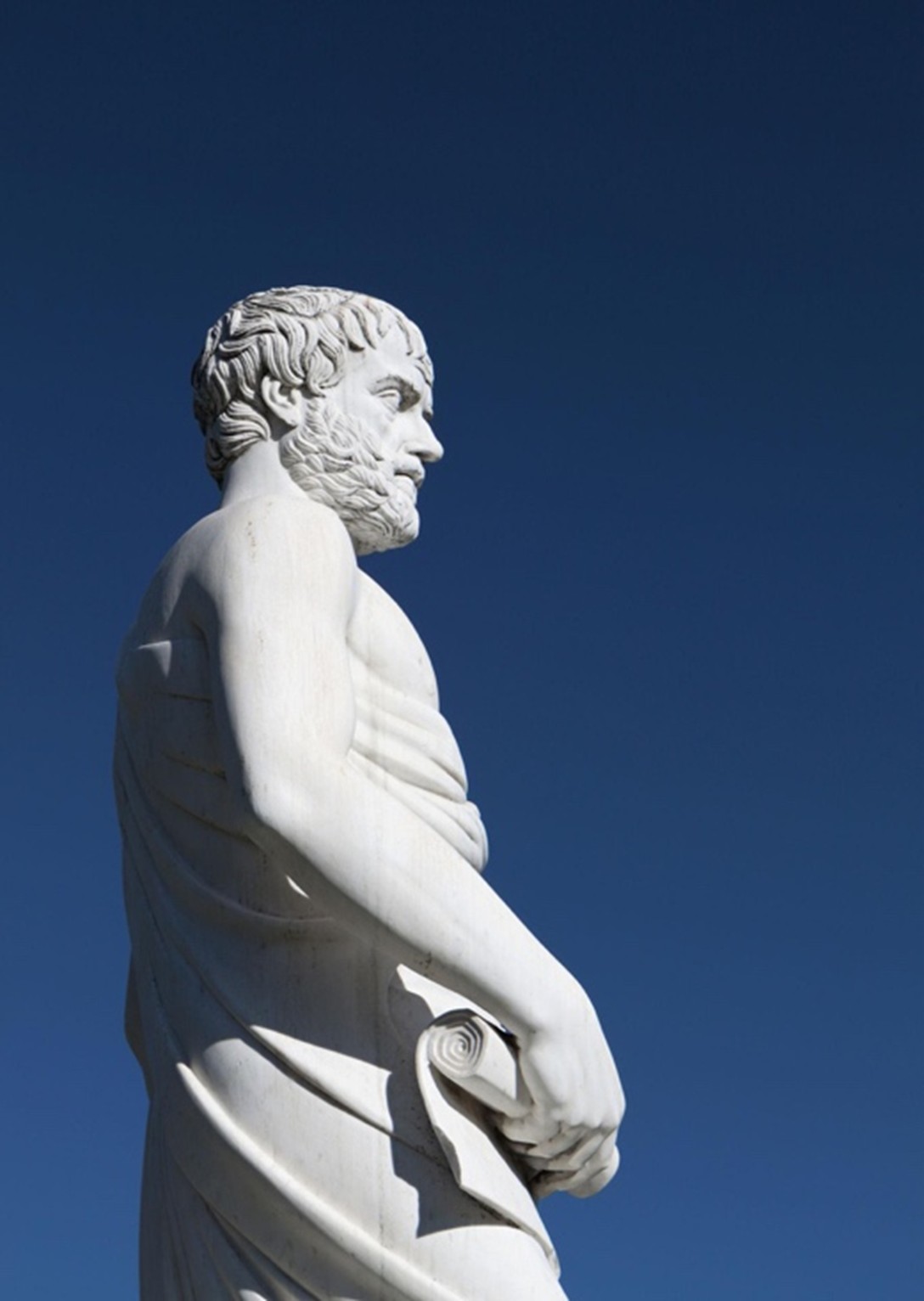
Aristotle, a student of Plato and teacher of Alexander the Great, made groundbreaking contributions to philosophy, science, ethics, and politics. His works shaped Western intellectual thought for more than two thousand years.

Mikis Theodorakis was one of Greece’s most influential composers and cultural figures. He is internationally known for composing the music for the film “Zorba the Greek.” His work combines classical music with Greek folk traditions and has become an important part of modern Greek cultural identity.